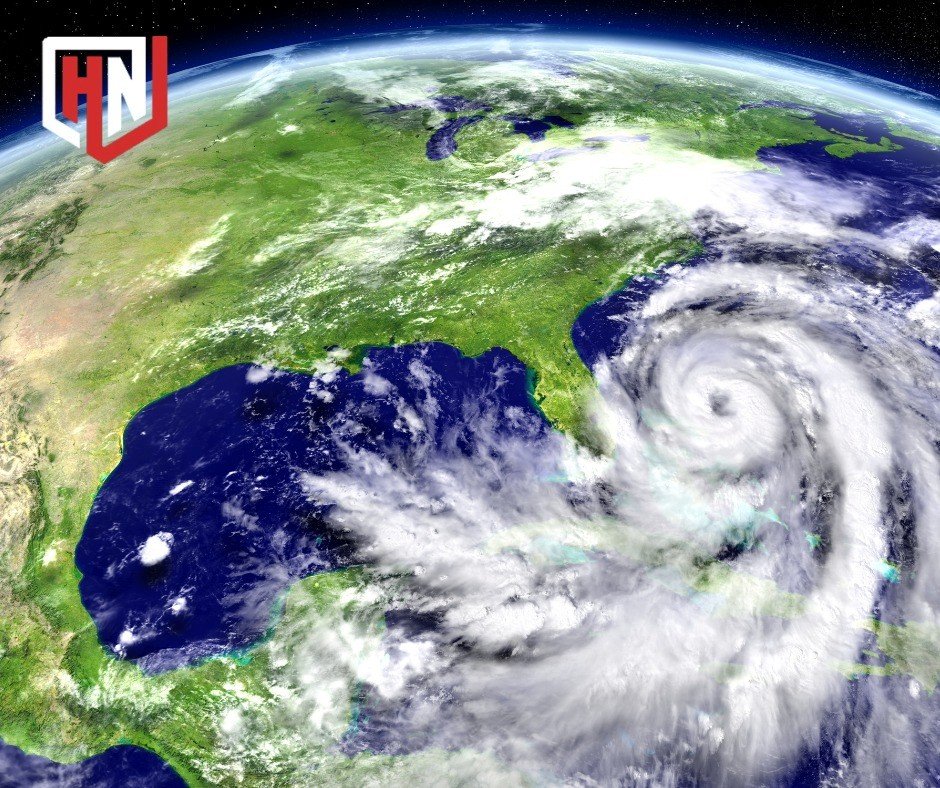
Hurricane season is a part of life in Florida. We know it’s coming, but too often, we wait until a storm is in the Gulf to start preparing. As a team that’s been on the ground in the aftermath of countless storms, we can tell you that being proactive is the single most important thing you can do.
This isn’t just a checklist—it’s a comprehensive guide to help you safeguard your family and your home, turning panic into a plan.
Phase 1: Before the Storm (Pre-Season)
Don’t wait for a storm to form. Use the calm months to get your house in order.
- Review Your Insurance Policies: Call your insurance agent and confirm what your homeowner’s policy covers for wind damage, and whether you have a separate flood insurance policy. Many policies have waiting periods, so now is the time to secure the right coverage.
- Create a Family Emergency Plan: Don’t just plan for evacuation. Decide on a communication strategy, designate an out-of-state contact, and plan a meeting place for your family.
- Secure Your Home’s Exterior: Walk around your home and identify potential vulnerabilities. This is the time to trim weak branches and trees that could fall on your house. Secure or reinforce your garage door, and make sure you have hurricane shutters or plywood cut to size for all your windows.
- Assemble Your Go-Bag & Emergency Kit: This is your lifeline. A comprehensive kit should include at least a 7-day supply of non-perishable food and water (one gallon per person, per day), medications, flashlights, extra batteries, a first-aid kit, and copies of important documents in a waterproof bag.
Phase 2: As the Storm Approaches (72-48 Hours Out)
A storm is on the radar. It’s time to execute the final steps of your plan.
- Top Off Your Fuel: Fill your vehicles with gas. Gas stations may close or run out of fuel as the storm nears. Also, fill any propane tanks you use for your grill.
- Finalize Your Pantry & Water Supply: Make sure you have enough non-perishable food and water for everyone in your household.
- Secure Outdoor Items: Bring in all outdoor furniture, grills, garbage cans, and anything that could become a projectile in high winds.
- Check on Your Neighbors: Check on elderly or at-risk neighbors who may need assistance with their preparations. We’re a community, and we look out for each other.
- Stay Informed: Follow local emergency management agencies for official updates and listen to a NOAA Weather Radio.
Phase 3: During the Storm
The storm has arrived. Your job now is to stay safe and stay put.
- Stay Indoors: Stay inside and away from windows and glass doors. Find the safest room in your home—an interior room or closet on the lowest floor is best.
- Listen for Updates: Monitor your battery-powered or hand-crank radio for official instructions and updates.
- Be Patient: Don’t venture outside in the calm eye of the storm, as the winds can return with hurricane force from the opposite direction in a matter of minutes.
Phase 4: After the Storm
The storm has passed, but the danger is not over.
- Assess Your Surroundings: Do not enter your home if you smell gas. Be aware of structural damage, unstable trees, and hidden hazards.
- Check for Downed Power Lines: Always assume a downed power line is live. Stay at least 35 feet away and report it to your utility company immediately.
- Generator Safety: If you are using a generator, NEVER run it indoors, in a garage, or near any windows. Carbon monoxide is a silent killer.
- Lend a Hand (Safely): If it’s safe to do so, check on your neighbors. However, be cautious and avoid getting in the way of professional first responders.
Being prepared reduces stress, protects lives, and helps our entire community stay safer and recover faster. Our teams at HelpNow Foundation are on the ground, ready to help when and where it matters most.